Detect Fake EXIF Data: Identifying Altered Photo Metadata
In an age where a single image can shape public opinion or document a once-in-a-lifetime moment, authenticity is paramount. We trust photos to tell a story, but what if that story has been secretly rewritten? The hidden data within every digital image, known as EXIF data, holds the key to its history. However, this data can be manipulated. This article delves into the world of fake EXIF data, a growing concern for everyone from journalists to casual social media users. How can you be sure the story a photo tells is true?
The answer lies in understanding and verifying this metadata. Whether you're a photographer protecting your work, a privacy-conscious individual, or a tech enthusiast curious about the digital world, learning to spot altered photo metadata is a critical skill. It’s time to look beyond the pixels and uncover the truth. You can start your investigation with a secure EXIF viewer that respects your privacy.
What is Altered Photo Metadata? Understanding EXIF Manipulation
Altered photo metadata refers to any EXIF, IPTC, or XMP data that has been intentionally changed or fabricated after the image was captured. The original data, automatically recorded by the camera, includes details like the camera model, shutter speed, aperture, ISO, date, time, and even GPS coordinates. While there are legitimate reasons to edit metadata, such as adding copyright information, malicious alteration aims to deceive.
This manipulation can create a false narrative, misrepresent the origin of a photo, or hide crucial details. Understanding the methods and motivations behind this practice is the first step toward effective detection.
Common Methods Used to Edit EXIF Data
Contrary to what some might think, you don't need to be a master hacker to edit EXIF data. Several accessible methods exist, which is why vigilance is so important.
- Desktop Software: Professional programs like Adobe Lightroom and Adobe Bridge have built-in metadata editors. They allow users to batch-edit information, including timestamps and copyright details.
- Specialized Tools: Dedicated applications like ExifTool are powerful command-line utilities that offer granular control over every single metadata tag, allowing for sophisticated additions, modifications, or complete removal.
- Online Editors: Numerous websites offer quick and easy metadata editing services. While convenient, these often pose a privacy risk, as they require users to upload their photos to a third-party server.
- Simple Photo Viewers: Even some basic photo viewing software on Windows and macOS allows for simple edits to tags like dates and ratings.
The ease with which this data can be changed means we can no longer take it at face value. A quick photo metadata analysis is often necessary to verify authenticity.
Why Would Someone Fake EXIF Data?
The motivations for faking metadata are as varied as the images themselves. While some reasons are benign, many are intended to mislead.

- Spreading Misinformation: An old photo can be repurposed with a new timestamp and location to fit a current event, creating a false context to fuel propaganda or "fake news."
- Winning Contests: A photographer might alter the capture date of an old photo to make it eligible for a contest with a specific submission window.
- Creating False Alibis: In legal scenarios, a photo's timestamp and GPS data can be manipulated to create a false record of a person's whereabouts.
- Hiding Image Origins: Individuals may strip or change camera-specific data to obscure the source of a leaked or sensitive image.
- Artistic Forgery: Faking the camera model and lens information could be used to pass off a modern photo as a vintage one, or vice versa.
Spotting the Red Flags: How to Identify Fake EXIF Data
Detecting manipulated metadata requires a keen eye and the right tools. It’s a form of digital forensics that anyone can learn. By cross-referencing information and looking for tell-tale signs of tampering, you can build a strong case for whether an image's data is authentic. An online EXIF viewer can help you get started.
Inconsistencies in Date, Time, and Location
This is the most common area for manipulation and often the easiest to spot.
- Conflicting Timestamps: Check the
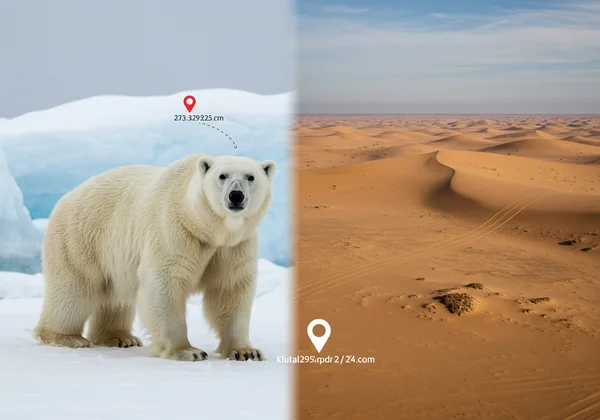
DateTimeOriginal(when the shutter was pressed) against theFileModifyDate(when the file was last saved). If the modify date is significantly later and the software tag points to an editor, it’s a red flag. - Illogical GPS Data: Does the GPS location make sense? A photo of a polar bear with GPS coordinates in the Sahara Desert is an obvious fake. More subtle clues include checking if the time of day in the photo matches the timezone of the embedded location.
- Weather and Seasonal Clues: If the metadata claims a photo was taken in New York in December, but the image shows people in shorts under a blazing sun, the data is likely fraudulent.
Software Signatures and MakerNote Discrepancies
This is where a more technical analysis comes in, revealing clues left behind by editing software. A comprehensive tool is needed for this level of metadata forensics.
- The "Software" Tag: Most editing programs will add or update the
Softwaretag in the EXIF data. If you see "Adobe Photoshop" or another editor listed, it confirms the image has been processed. While this doesn't guarantee malicious intent, it warrants closer inspection of other fields. - Missing or Corrupted MakerNotes: The
MakerNotesection contains a wealth of proprietary data specific to the camera manufacturer (Canon, Nikon, Sony, etc.). This data is complex and easily corrupted or stripped by generic editing tools. If a powerful camera's metadata is missing its MakerNote, it's highly suspicious. You can perform a deep analysis to check this field.
Visual Clues vs. Metadata Evidence
Always use metadata to support or question what you see in the image itself.
- Shadow Analysis: The length and direction of shadows can help estimate the time of day. Does this visual evidence align with the timestamp in the EXIF data?
- Lighting and Weather: Is the quality of light (e.g., harsh midday sun, soft golden hour glow) consistent with the capture time? If the photo shows rain, but the date corresponds to a historically sunny day, be skeptical.
- Object Inconsistencies: Look for objects in the photo that shouldn’t exist at the time the metadata claims, such as a smartphone model that hadn't been released yet.
Your Trusted Tool: Verifying Image Authenticity with Our Online EXIF Viewer
While manual checks are useful, a reliable and powerful tool is essential for efficient and thorough verification. Our tool is designed to provide a clear, comprehensive, and, most importantly, secure way to inspect your images. When you need to check EXIF data, trust is non-negotiable.
How Our Tool Ensures Data Integrity
The biggest concern with online tools is privacy. What happens to your photo after you upload it? Our tool solves this problem with a privacy-first approach.
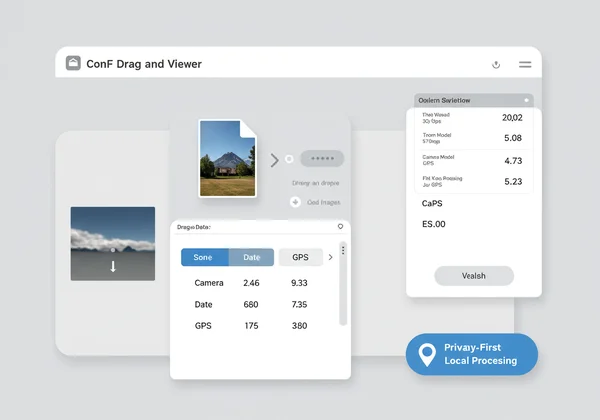
All processing is done locally in your web browser. This means your image file never leaves your computer. It is not uploaded to our servers or any third-party service. This crucial difference ensures your sensitive photos remain completely private while you conduct your analysis. This local processing guarantees that the data you see is read directly from the source file without any server-side alteration, providing a trustworthy foundation for your forensic work.
Practical Steps to Check Metadata for Tampering
Using our tool is straightforward and immediate.
- Navigate to the Homepage: Go to EXIFData.org to access the viewer.
- Select Your Image: Drag and drop your image file directly onto the page or use the button to select a file from your computer. You can also analyze an image by pasting its URL.
- Analyze the Results: Instantly, the tool will display all available EXIF, IPTC, and XMP data in a clean, organized format. Scrutinize the timestamps, software tags, MakerNotes, and GPS data for any of the red flags discussed above.
It’s a simple, three-step process to verify image authenticity and gain peace of mind.
Taking Control: Empowering Yourself Against Digital Deception
In our digital world, seeing is no longer believing. The ability to create and spread misinformation through altered images is a real threat. By learning to read and question photo metadata, you arm yourself with a powerful tool for truth-seeking. Scrutinizing timestamps, checking for software signatures, and verifying location data are no longer niche skills—they are essential components of digital literacy.
Don't let your images be used to tell a false story, and don't fall victim to deception. Take control of your digital reality by understanding the data behind the pixels. Start today by using a secure and reliable tool. Check your image's EXIF data now and empower yourself with the truth.
Frequently Asked Questions About EXIF Data Authenticity
Can EXIF data be edited or removed completely?
Yes, absolutely. As mentioned, various software tools, from professional photo editors to simple command-line utilities, can modify, add, or completely strip EXIF data from an image file. This process is often irreversible, which is why checking the metadata of an original file is so important.
How do I find the original metadata of a photo after it's been edited?
Unfortunately, once metadata has been overwritten and saved, the original data is usually lost forever. There is no "undo" button or version history stored within the image file itself. The only way to access the original metadata is if you have a copy of the original, unedited file. This highlights the importance of using a tool like our free EXIF reader on a source file before any alterations are made.
Do social media platforms strip or alter EXIF data?
Yes, most major platforms do. Websites like Facebook, Instagram, and Twitter automatically strip most EXIF data from uploaded images. This is primarily done to protect user privacy by removing sensitive information like GPS location. However, this also means that once a photo is on social media, its original metadata is no longer publicly accessible, making authenticity checks much harder. It's always best to analyze the original file before it's shared.
What are the legal implications of fake EXIF data?
The legal implications can be significant and vary by context. In a photo competition, submitting an image with a falsified date would lead to disqualification. In a court of law, intentionally altering metadata on a photo submitted as evidence could be considered evidence tampering or perjury, leading to severe legal penalties. For journalists, publishing an image with manipulated metadata can destroy their credibility.