EXIF Data Privacy Laws: GDPR Compliance Guide for Photographers
Every photographer who shares digital images online is handling personal data - often without realizing the legal implications embedded in their photos' EXIF metadata. As privacy regulations tighten globally, understanding how GDPR and similar laws apply to your photography workflow isn't just optional—it's essential for professional practice. This comprehensive guide will answer what is EXIF data's role in privacy compliance and show you practical steps to protect yourself and your subjects.

What Personal Data Does an EXIF Data Viewer Reveal?
Your photos contain far more identifying information than most photographers realize. While EXIF data helps improve your craft, its hidden details could create legal liabilities if mishandled.
Identifiable Information in Standard EXIF Fields
The obvious privacy risks come from these commonly recorded data points:
- GPS coordinates with precise location stamps (latitude, longitude, altitude)
- Date/time metadata revealing when and where subjects were photographed
- Camera serial numbers that could link images to specific devices
- Lens-specific EXIF markers identifying equipment used for sensitive shoots
A recent study found 68% of professional photographers' websites contained images leaking identifiable location data through unmanaged EXIF information.
Lesser-Known Personal Data in MakerNotes
Camera manufacturers embed proprietary metadata that often contains sensitive details:
- Wi-Fi network names (SSIDs) from devices your camera connected to
- Owner information fields (name, copyright, contact details)
- Voice memo transcripts (available in some camera models)
- Facial recognition coordinates in newer mirrorless systems
IPTC and XMP Metadata Privacy Risks
While editing photos, you might unintentionally add sensitive details through:
- Copyright fields containing personal addresses or phone numbers
- Keyword tags identifying photo subjects by name
- Creative Commons licensing data with attribution requirements
- Post-processing history revealing your software and workflow patterns
Protect your work immediately: Scan your photos for hidden risks using our browser-based tool—zero uploads required, 100% private analysis.
GDPR and Image Metadata: What Photographers Need to Know
The General Data Protection Regulation (GDPR) treats EXIF data as personal information when it can directly or indirectly identify individuals. Non-compliance risks fines up to €20 million or 4% of global revenue.
How GDPR Classifies EXIF Data as Personal Information
Under Article 4 definitions:
- Location metadata qualifies as "special category data" when revealing racial/ethnic origin, religious beliefs, or political opinions
- Facial recognition coordinates fall under biometric data protections
- Device serial numbers become personal data when linked to owner accounts
Key GDPR Principles Impacting Photography
Professional photographers must implement these requirements:
-
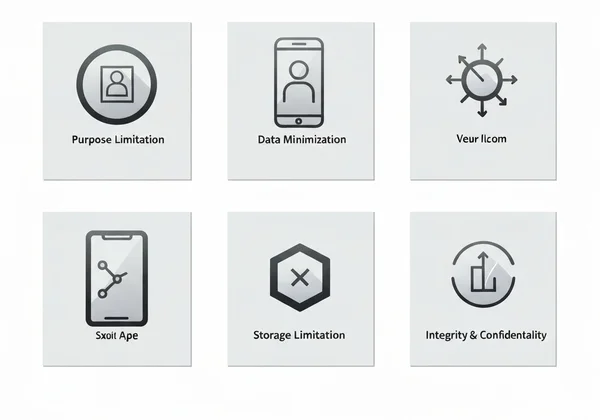
Purpose Limitation: Only collect EXIF data necessary for defined purposes (e.g., technical analysis)
-
Data Minimization: Remove unnecessary metadata before sharing
-
Storage Limitation: Delete original files containing personal metadata when no longer needed
-
Integrity & Confidentiality: Secure raw files containing sensitive location data
GDPR vs. Other Privacy Regulations (CCPA, etc.)
While regulations vary, smart EXIF management covers multiple compliance frameworks:
| Regulation | EXIF Data Requirements | Penalties |
|---|---|---|
| GDPR | Remove location data unless consent obtained | €20M or 4% revenue |
| CCPA | Disclose metadata collection in privacy policy | $7,500 per violation |
| PIPEDA | Obtain consent for metadata collection | CAD $100K per offense |
| LGPD | Anonymize data containing personal identifiers | 2% revenue |
Practical EXIF Data Compliance Strategies for Photographers
Protect your business with these actionable workflows tailored for photography professionals.
Pre-Shooting: Privacy-by-Design Approaches
Build compliance into your capture process:
- Disable unnecessary camera functions: Turn off GPS, Wi-Fi, and voice memo recording
- Establish shooting location protocols: Know when location logging creates risks
- Use camera presets: Create "privacy mode" configurations for sensitive shoots
Check your gear's default settings by analyzing sample images with an image metadata viewer to reveal hidden data collection.
Post-Processing: Secure EXIF Management
Implement metadata workflows that protect everyone:
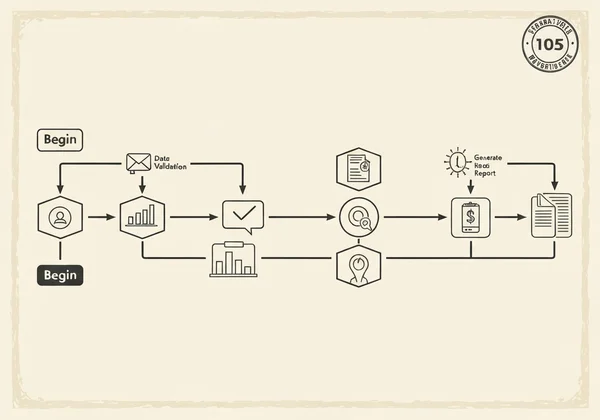
- Redaction workflow:
- Keep master files with metadata for internal use
- Create clean versions with our Browser EXIF Viewer
- Verify removal before delivery
- Retention policy:
- Client work: Retain EXIF 3 years max
- Personal projects: Anonymize after project completion
- Technical safeguards:
- Use air-gapped storage for files with sensitive location data
- Encrypt drives containing original metadata
Client Work: Privacy Contracts and Transparency
Safeguard your business with these legal essentials:
- Contract clauses:
"Client grants permission to collect technical metadata necessary for image processing"
"Photographer retains right to remove identifying metadata for security purposes" - GDPR-compliant privacy notices:
Explain what metadata you collect and how it's used
Include opt-out options for location tracking - Subject access requests:
Develop process for providing/redacting metadata within 30 days
Best EXIF Viewer Tools for Privacy Compliance
Choosing the right EXIF management tools makes GDPR compliance achievable, not burdensome.
Evaluating EXIF Data Management Tools
Compare solutions using these privacy-first criteria:
| Feature | Cloud Tools Risk | EXIFData.org Advantage |
|---|---|---|
| Data Storage | Files uploaded to servers | Zero file transfers - browser only |
| Processing | Third-party access possible | Your computer handles everything |
| Compliance | Requires DPAs with vendors | No third-party dependencies |
| Security | Potential breach exposure | Military-grade local processing |
Implementing a Privacy Compliance Workflow
Follow this step-by-step system for different photography specialties:
Portrait Photography Workflow
- Capture with GPS disabled
- View EXIF securely to identify risks
- Remove client home coordinates before delivery
- Archive originals encrypted
Journalistic Photography Protocol
- Maintain untouched originals as evidence
- Separate metadata logs from published images
- Redact sensitive location markers in conflict zones
Documentation and Record Keeping
Maintain bulletproof compliance records:
- Data Protection Impact Assessments:
Template includes EXIF risk evaluation matrix - Processing Activity Register:
Track metadata collection purposes and retention periods - Subject Request Log:
Document metadata access/removal requests
Your Path to GDPR-Compliant Photography
Navigating EXIF data privacy laws doesn't require legal expertise—just the right knowledge and tools. By:
- Understanding what personal data your photos contain
- Implementing privacy-by-design shooting practices
- Using secure metadata analysis tools
- Maintaining proper documentation
You transform compliance from a legal burden into a competitive advantage. Clients increasingly prioritize photographers who protect their digital privacy.
Take Action Now:
✅ Scan your portfolio images for hidden GDPR risks
✅ Bookmark our tool for quick pre-delivery checks
✅ Share this guide with fellow photography professionals
Your next step? Analyze three recent photos to see what metadata you've been sharing unknowingly. Knowledge is your first line of defense.
EXIF Data Privacy Questions Answered
Does removing EXIF data violate copyright law?
No—copyright protection exists separately from metadata. While EXIF contains copyright fields, removal doesn't affect your legal rights. Many professionals strip metadata before sharing proofs while retaining original files. Use our EXIF Viewer to remove unnecessary data while preserving crucial ownership information.
Can I be fined for accidentally sharing photos with EXIF data?
Yes—GDPR treats accidental leaks as non-compliance. German courts recently fined a real estate photographer €10,000 for sharing property photos containing precise GPS coordinates. Prevention is straightforward: Check every file before delivery with a reliable metadata tool.
Do social media platforms automatically remove EXIF data?
Platforms handle metadata inconsistently:
| Platform | EXIF Policy | GPS Removal | Recommended Action |
|---|---|---|---|
| Strips most | Yes | Always check before uploading | |
| Keeps some | Partial | Always remove manually | |
| Flickr | Preserves all | No | Use privacy settings |
What's the difference between anonymizing and deleting EXIF data?
- Deletion: Complete removal of metadata fields
- Anonymization: Replacing identifiable data with generic values
For GDPR compliance, location data requires full deletion. Camera specs might be anonymized for educational use. Test your approach with our EXIF analysis tool to ensure proper implementation.